1966
One-of-a-Kind
Verified
Volkswagen Escarabajo
1600 · Sedan
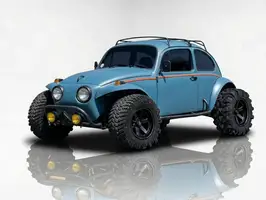
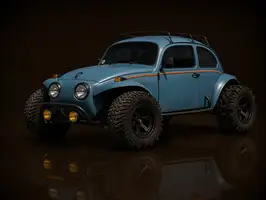
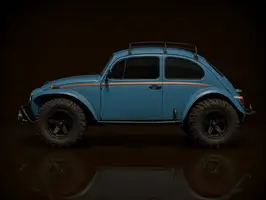
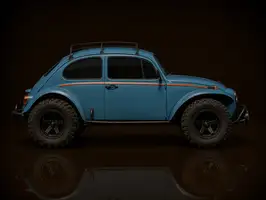
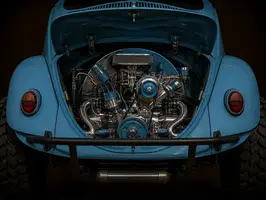
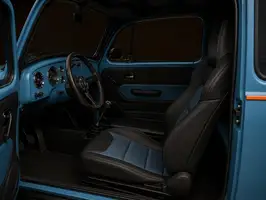
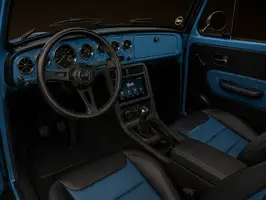
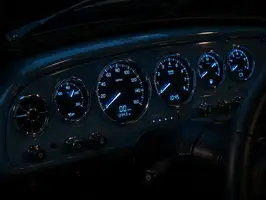
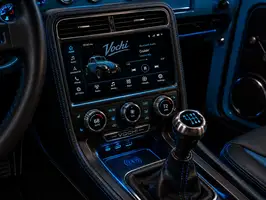
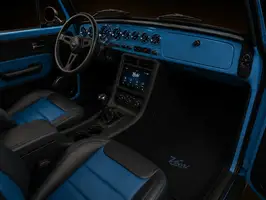
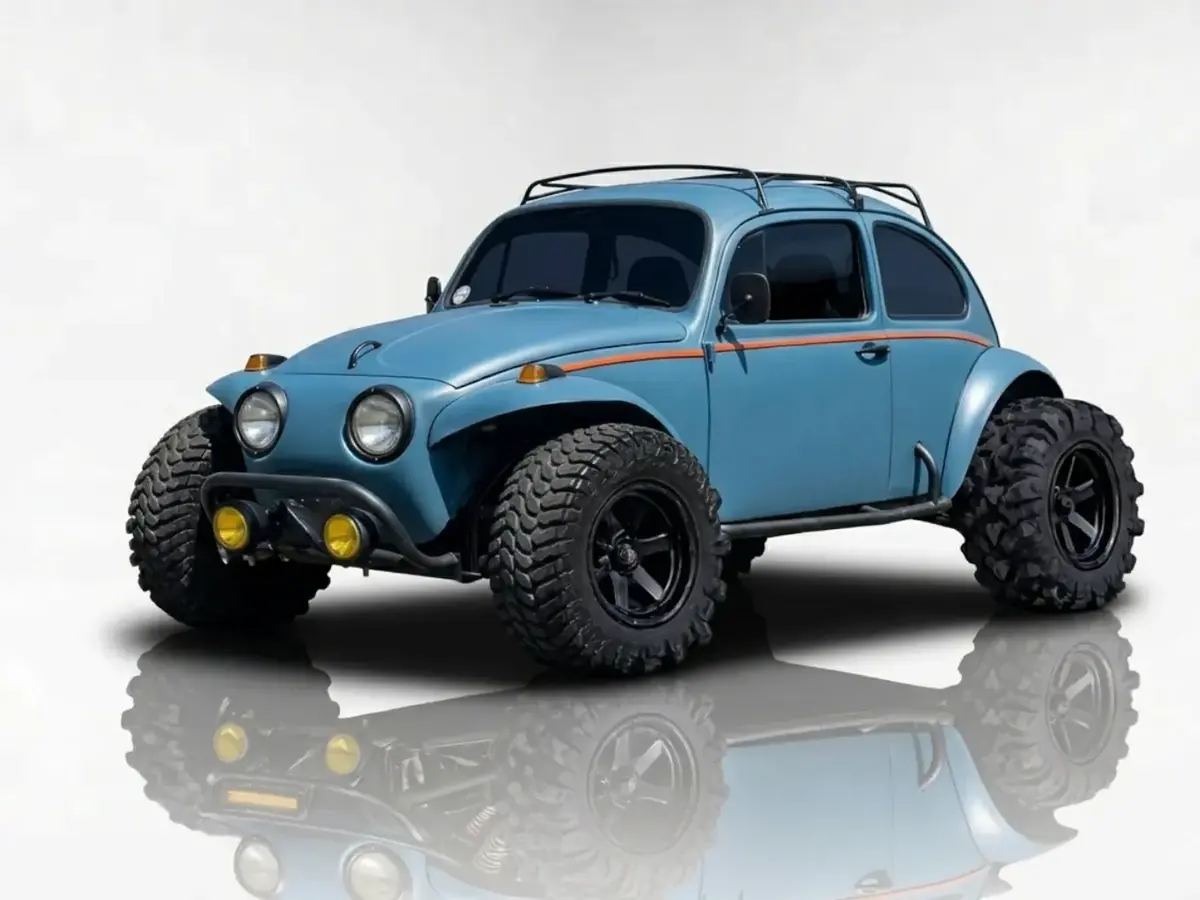
This custom 1966 VW Baja Bug delivers vintage Volkswagen character with a purpose-built off-road attitude. Finished in a unique flat baby blue paint, it features durable fiberglass fenders, rugged black custom wheels, and a stance that's ready to tackle rough terrain or cruise the boulevard. Power comes from a meticulously built 2275cc air-cooled Volkswagen engine, giving this Baja Bug the performance and reliability to match its bold, adventure-ready style.
$69 800 000
⭐ 4.9 · 142 reviews · Featured Build
✓ Perfect for
- Show-quality collectors
- Air‑cooled purists
- Documentation lovers
✗ Not for
- Daily commuting
- Budget buyers
- Family haulers
Mileage1 mi
Horsepower185 HP
TransmissionAutomatic
volkswagen escarabajo 1966 baja — what works, what fails, and what it takes to fix it
A 1966 Volkswagen Beetle 1966 Baja is a modified car, not a factory product. The original 1300cc setup is almost never left alone. The body gets cut, the suspension gets pushed higher, and the engine usually gets replaced because the stock one can’t carry the extra load.
The base numbers matter. Around 50 horsepower from a 1300cc engine. About 1,700 lbs stock weight. Once you add larger tires and off-road parts, the power-to-weight ratio gets worse unless you upgrade the engine. That’s the first problem most people ignore.
why the stock setup doesn’t work on a baja
A Baja runs larger tires, usually 28–30 inches. That changes gearing immediately. The engine now has to work harder just to move the car.
With a stock 1300cc engine, acceleration drops to the point where it’s unsafe in traffic. You’re not just slow. You’re delaying traffic behind you.
Cooling becomes inconsistent. The engine is exposed, but that doesn’t mean it runs cooler. Missing tin, poor sealing, or bad carb tuning causes overheating. Air-cooled engines depend on controlled airflow, not just open space.
Brakes struggle. Stock drum brakes were barely enough for the original setup. Add larger tires and more weight, and stopping distance increases.
how it drives on the street
Most Baja builds drive worse than stock Beetles on pavement.
The front end gets lighter when lifted. Steering loses precision. At 60 mph, you feel it wandering.
Noise is constant. Engine, tires, wind. No insulation. No barrier.
Braking requires planning. You press earlier and harder. If the system isn’t upgraded, it fades quickly under repeated stops.
This isn’t a refined car. It’s a compromise.
where the baja setup actually works
Off-road is where it makes sense.
Rear-engine weight gives traction on loose surfaces. Sand, dirt, gravel. The car moves forward when heavier front-engine cars spin.
Ground clearance improves from roughly 6 inches to 10–12 inches depending on the build. That keeps the chassis off rocks and uneven terrain.
The suspension is simple. Torsion bars and trailing arms. Fewer components to break compared to modern off-road systems.
In Baja California races during the late 1960s, modified Beetles finished long desert runs with basic tools and minimal support. That’s where this setup proved itself.
what you have to change to make it usable daily
Engine comes first.
A 1776cc build produces around 75–90 horsepower. That’s enough to offset larger tires and maintain 65 mph. Cost ranges from $3,000 to $6,000 depending on parts and machine work.
A 1915cc or 2110cc build pushes 100–140 horsepower. Now it keeps up with modern traffic. Poor builds overheat and wear out fast. Cooling tin, compression ratio, and carb tuning matter more than displacement alone.
Parts usually come from CB Performance or EMPI. Quality varies. Cheap heads crack. Cheap carburetors fall out of sync.
Brakes need upgrading. Front disc kits cost $500–$900. That change alone improves stopping consistency. Larger tires demand more braking force. There’s no workaround.
Suspension geometry needs correction. The stock swing axle design creates camber change under load. Off-road, it’s manageable. On pavement, it can become unstable.
Serious builds convert to IRS. That removes the swing axle issue and improves stability. Expect $1,500–$3,000 depending on labor and parts.
Transmission gearing has to match tire size. Larger tires effectively lengthen gearing. Without correction, the engine struggles and runs hotter. Re-gearing costs around $1,200–$2,000.
what it costs in real numbers
A build done in Arizona in 2022:
- 1915cc engine: $5,000
- dual carburetors: $850
- front disc brakes: $650
- IRS conversion: $2,000
- transmission re-gear: $1,400
Total: about $9,900.
Before the build, the car couldn’t hold 55 mph on 30-inch tires. After the build, it maintained 70 mph and handled dirt roads without losing control.
one example that shows the weak points
A 1966 Baja came into a shop in El Paso in 2021.
Engine was stock 1300cc. Tires were 30 inches. Rear axle seals were leaking. Brake shoes were soaked in gear oil. The owner drove it like that.
Result:
- engine upgrade to 1776cc: $3,800
- brake system replacement: $700
- axle seal repair: $300
After repairs, it could keep up with traffic and stop straight. Before that, it was unreliable and unsafe.
strengths that still hold up
Simple design. You can pull the engine with basic tools in under an hour.
Parts availability remains strong. Aftermarket support from companies like CB Performance keeps these cars on the road.
Lightweight chassis. Less stress on components compared to heavier vehicles.
Off-road capability with basic modifications. No complex systems required.
weaknesses that don’t go away
Safety is minimal. No airbags, no structural protection in a collision.
Street handling is compromised by lifted suspension and larger tires.
Fuel economy drops with larger engines and tires. Expect 18–25 mpg depending on setup.
Maintenance increases. Off-road use accelerates wear on suspension, bearings, and seals.
Noise and exposure are constant. This isn’t a sealed, quiet car.
what you end up with after building one
A properly built 1966 Baja can handle rough terrain and still operate in modern traffic. It will hold highway speed, stop consistently, and remain mechanically simple.
It will not feel like a modern car. Noise, vibration, and limited safety remain. You’re trading comfort and protection for simplicity and control.